16 June 2006

The Piedpiper of Noakhali, Bangladesh

The small town of Noakhali is my area of posting in Bangladesh, about a 4 hour drive south of the capital city. There's nothing but lots of rice fields all around and plenty of bicycle rickshaws everywhere. People are very interested in me, I'm kind of a novelty. They don't see a whole lot of foreigners, and they all love to have their pictures taken since they usually don't have an opportunity to do so. Of course this is just a combustible combination since I usually drag a camera around everywhere.

You see, it usually all starts out like this-
I take a photo of one kid...
First shot
Simple enough right? Well, I show the kid his photo, I look up, and all of a sudden there are 4 of them looking up at me with scores more all sprinting to get into the photograph! It's almost like they've spontaneously multiplied!
Mulitply
I've had lots of shots of scenery interrupted by kids and people moving into the picture intentionally. Kinda funny. I've taken to getting sneaky about it by pretending to focus in one direction and suddenly turning around and taking a photo of what I really wanted to take in the first place. I have no other options.

4 rapidly becomes 7 with a Mom (top right corner shoving her kids into the frame) also getting in on the act.
Street cheese 3
Then an older brother decides to join in...
Street cheese
Then they decide to grab some kid kicking and screaming into the photograph who just happened to be randomly walking naked down the street.
Naked kid
Then they grab a bleating goat who had the misfortune of grazing nearby, since they figured everyone in my "village" wants to see what a Bangladesh goat looks like. I passed on the cow though.
Streetcheese and goat

So after about 30 minutes and 100 photographs later (thank god for digital), I'm backpedaling to the confines of my guesthouse after the entire town comes looking for me to take their photos. Yeah, I don't make it too far on my walks around town, people follow me everywhere- into stores, into restaurants, back to my guesthouse, outside my window. I'm the piedpiper with a camera instead of a flute! Bangladesh truly is the ideal place to photograph people though.

5...
5 bw
6...
6 bw
7...
7 bw

Bring us your screaming babies

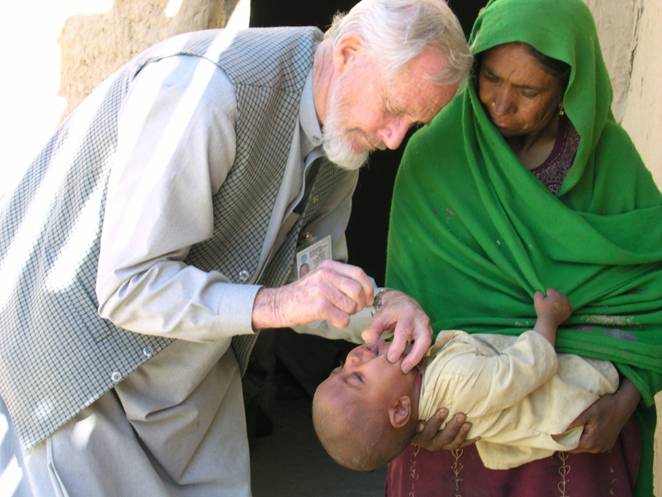
It's been awhile since I've seen so many screaming babies before. Bangladesh's National Immunization day has come and gone, and man, that's a lot of kids! Some are old pros at taking polio vaccination drops, others need a little "encouragement" (some of the workers were telling the babies it was candy, hah!).

Bright and early on the day of the immunizations, the carriers containing the vaccines were transported to and from the field by any means available.
Vaccine delivery
Vaccine carrier delivery
Carriers
The polio vaccine is temperature sensitive, which means there needs to be an icepack to keep it cold enough in 90 degree temperatures.

Giving polio drops kinda reminded me of mother birds feeding their chicks for some odd reason.
Drops 3
Drops

This time around, vitamin A to combat the effect of measles as well as a tablet for worms was given.
Vitamin A

The thing that makes vaccinations easier to administer is that people are very vigilant about vaccinating their kids. In fact, we actually had to mark the kids fingers with a sharpie to prevent mothers trying to get back in line and vaccinate them again!
Waiting in line
Most kids were experienced pros at the process. Older siblings also brought in the youngsters to be vaccinated.
Anxious anticipation

For the rest of the week, workers also went house to house looking for kids to vaccinate who didn't make it to the centers for whatever reason. The goal was to find each and every kid. This was actually one of the more interesting things about last week. I had the chance to see a side of rural Bangladesh that other people rarely get the opportunity to do so. It's a very peaceful country, people are incredibly friendly. In some areas, women still wear burquas, and they actually cover themselves and flee inside when an unknown man is within sight. Needless to say, most of the talking was through closed doors and shuttered screens. We actually went to some "hard to reach" areas on Hitaya Island, more about the journey there in a bit.
"Bring us your crying naked kids to vaccinate, please."
Child to child

All in all, it was a rewarding process. Polio spreads from unsanitary conditions, and as you can tell from some of the neighborhoods that vaccination sites were set up at, they definitely exist in Bangladesh!
Neighborhood pond
Moni flag

15 June 2006

Camel safari photos

There was a nationwide strike in Bangladesh, so to escape being confined to remote guesthouse, we went to an even remoter island (no Internet!) to evaluate vaccinations. More current photos and stories to come!

A few months back, I took a camel safari in India's Radjasthan desert, here are some photos from the slide film that I recently got back developed.

You know, there's nothing like being miles of nowhere in the middle of the desert to have some old Indian man pull out a cold soda or brew from his burlap bag, kinda like the Indian desert cross between a Saint Benard and Santa Claus.
Soda delivery
Plenty of sunsets to enjoy
Sand dune sunset 2
A camelman named Kamel with his camel...
Kamel with his camel
You know, I always wondered why all the trees in the desert had their leaves and branches start at the same exact height regardless of size of the tree. I think I know why now.
Resting camel
Grazing

And of course, the villages were fascinating to take photographs in. You see, villages have the same exact problems as big cities. Take their rush hour for instance.
Village rush hour
Plenty of loitering and abandoned vehicles.
Still cart and village life
Flashing of gang signs.
Photo for gum
Curiousity and kids
But they do keep their animals on a leash instead of running free!
Boy and his camel

08 June 2006

We interrupt this regularly scheduled blog

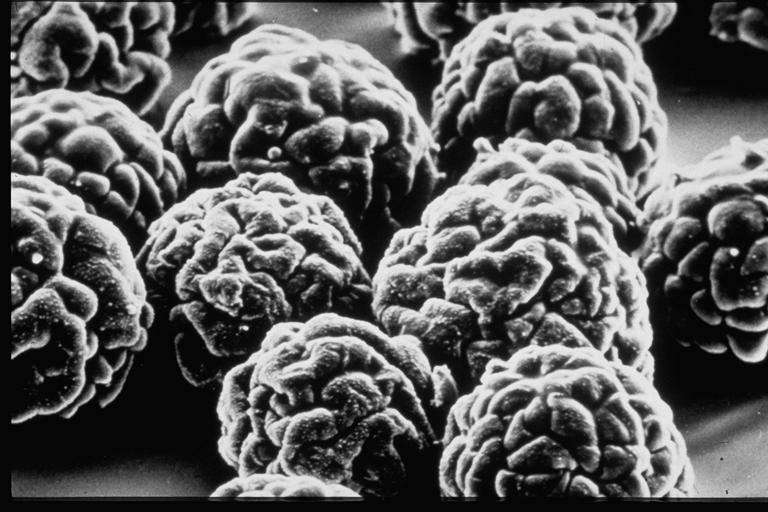
... to bring you this public health message. This enlarged image below is what brings me to Bangladesh.
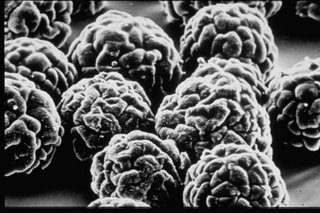
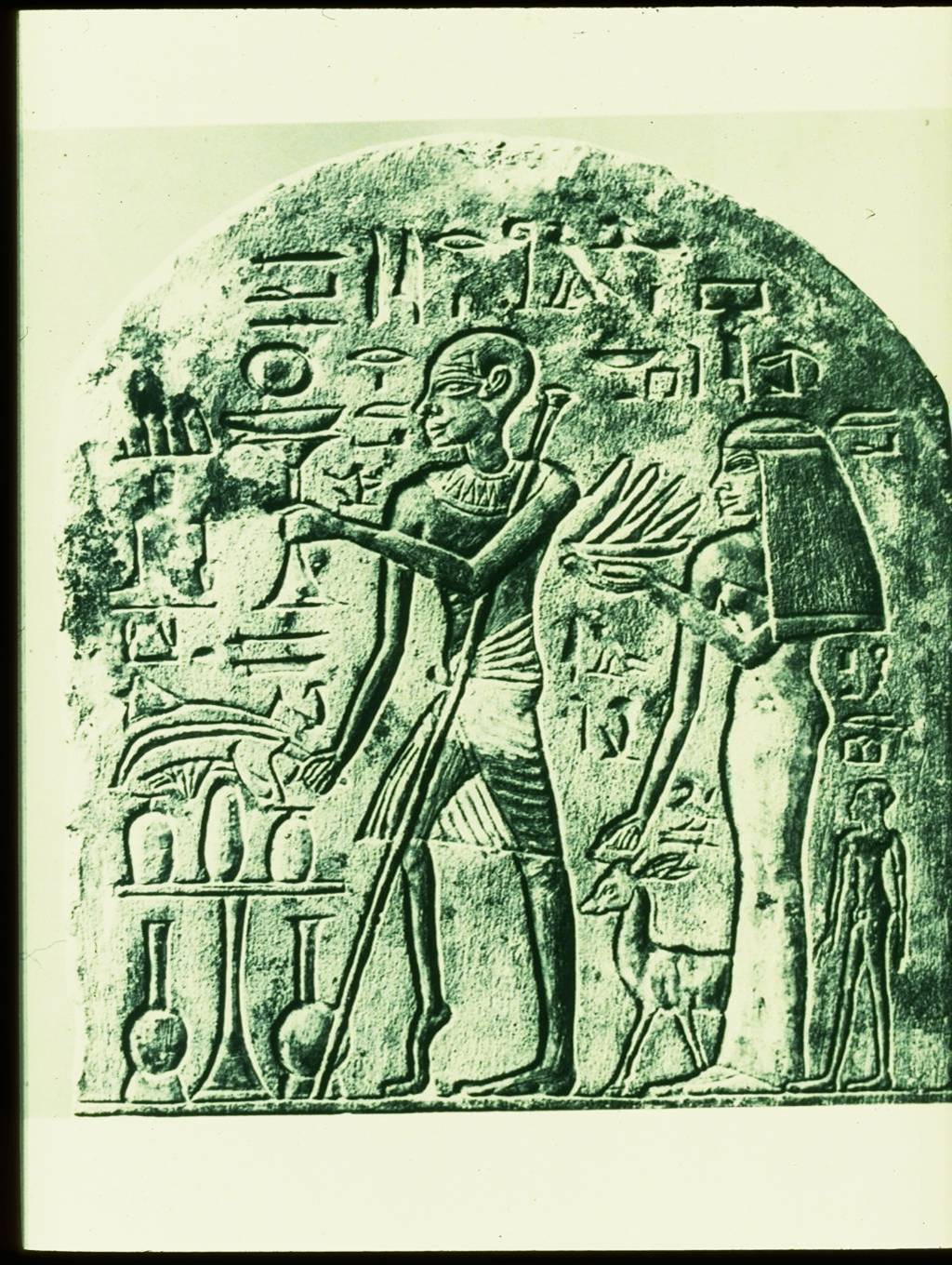
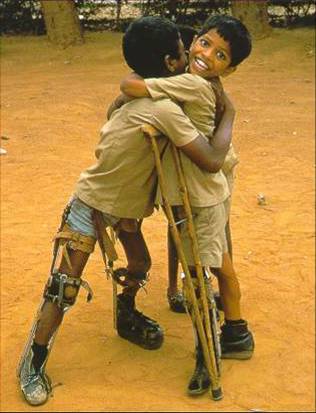
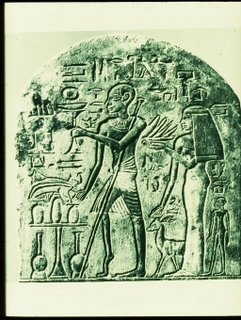
For those of you who aren’t familiar with polio, it’s a highly infectious virus that spreads readily through contaminated water and unsanitary conditions especially among infants and young children. It’s a very old disease, ancient Egyptian engravings even documented those paralyzed by polio.
But nowadays, it’s not present in the US, but a little more than 50 years ago, we had nearly 60,000 cases. Why such a drastic drop? Two reasons- the development of an effective vaccine and the public/political will to eliminate polio from our borders. Groups such as the Rotary Club launched initiatives to ensure that the days of placing children in an iron lung to keep them alive would no longer happen.

In 1988, the World Health Assembly resolved to eliminate polio globally. To give you an idea of how much progress has been made, in 1988 there were 350,000 cases in 125 countries. In 2003, there were only 784 cases in 6 polio endemic countries. And now, there are only 4 polio endemic countries- India, Pakistan Nigeria, and Afghanistan. This reduction was brought about by the dedication and determination of public health workers. Civil wars have been halted temporarily to vaccinate children, public health workers have been in the some of the most dangerous environments in order to ensure that all children have the opportunity to get vaccinated. And now, polio is on the brink of being only the second disease in the history of humanity to become eradicated (smallpox being the first).
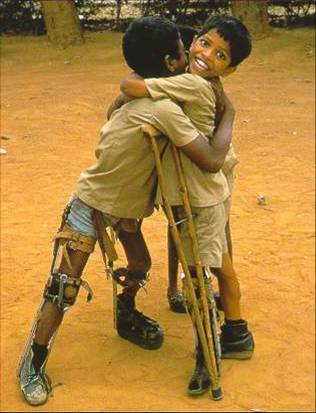
But the closer the world comes to polio elimination, the more difficult the task becomes. Why would poor countries want to continue an intensive polio elimination campaigns when they may not have had cases for years and have to deal with other pressing issues like HIV, malaria, and famine? But if anything, the past two years demonstrates the vulnerability when children aren’t vaccinated and efforts are let up. Rumors of western nations poisoning vaccines spread among Muslim populations in northern Nigeria, and many people refused to vaccinate their children. As a result, polio spread from Nigeria to 20 countries previously considered to be polio free.

In Bangladesh, the last polio case was in 2000. But keeping with my “one of the four horsemen of the apocalypse” coincidences (when I worked on syphilis elimination, rates doubled every year that I was there. Guess I just want job security or something, hah…), there have been 3 cases so far in 2006! After the first case, it was decided that over 4 million children in Bangladesh was vulnerable and a decision was made to have National Immunization days where basically all children are vaccinated. Public health workers even go from door to door to find each and every child. Amazingly enough, 600,000 workers (the majority being volunteers) were mobilized in a little over 3 weeks! Unbelievable. I have a hard enough time preparing for what I’ll wear in the morning, but this on an entirely different scale. If there ever is a global pandemic (like bird flu) and vaccines or treatments need to be distributed and given, I have no doubt it will be through the polio network. I’m excited to be a small part of this effort. I’ll be helping out for the last round of this national effort this Sunday, I can hardly wait.

03 June 2006

Shots from the medium format

On my recent trip to India, I actually dragged along 3 cameras (yep, probably the main reason why my bag was so heavy!)- a point and shot digital camera, a standard film SLR, and a medium format camera. All the photos that I previously posted while traveling actually came from a point and shot. I've had some free time at night in Bangladesh, so I've been playing around with some of the medium format shots that I got developed. I thought I might as well post some of my favorites from time to time, especially since photos from meetings aren't really all the exciting, hah.
For those you not familiar with medium format cameras, they take film much larger than your standard 35mm camera, and you can capture much more detail. See if you can tell. My medium format camera also captures images as a square. Personally, I still think they're better than the digital SLRs, a lot less convenient and more expensive to use, but I still like the "feel" and look of film.

From Bibi-ka Maqbara: the mini Taj Mahal
Bibi Ka Maqbara

From Varanasi
Varanasi ghats
Repairshop
Varanasi marketplace
View of the lines
Man and bike

Sunrise at Dzongri basecamp, Kachenjunga Trek in Sikkim.
Sunrise at Dzongri

These boys would climb up to the temple on a hilltop outside of Pushkar. They would make a parachute from a plastic bag, some string, and a twig, and would launch them from the top.
Launching a 'chute
Trying to spot the parachute.
Looking for parachutes

02 June 2006

Hindu Street

According to the Lonely Planet guide for Bangladesh, the Shankaria Bazzar (also known as "Hindu Street") area of Old Dhaka is supposed to be the most fascinating street in Dhaka. Old Dhaka as a whole, is supposed to be what I'll be "retrospectively romanticizing" about when I leave Bangladesh. Hmm... that's a tall order.

Like most streets in Bangladesh, it's just bursting with activity.
Bamboo construction technology
Wedding band
Mango seller
Doggy in the doorway
Doorway doggie
Shave and a haircut
Flowers for the temple

There are actually more flags of Brazil and Argentina flying than Bangladesh. Lots of Brazilians and Argentians in Bangladesh?
Ole Brazil!
Viva Argentina
Unfurling Brazil
Nope, it's all in anticipation of the world's greatest sporting event, the World Cup (Ole, ole, oleooo...)!

According to the official estimate, there are only 80,000 rickshaws in Dhaka. According to the unofficial, it's closer to 1,000,000. Good thing a great number of them run on human power.
Rickshaw queue
Rickshaw drivers
Colorful rickshaws

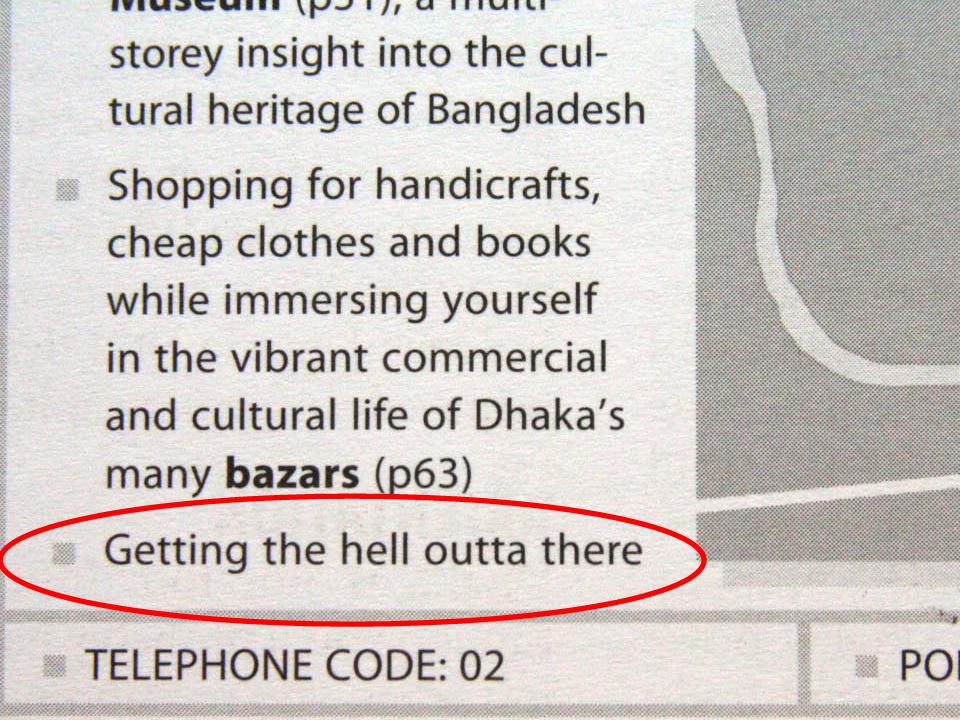
Generally I'm a big fan of Lonely Planet. They're extremely useful, especially when you're arriving at a new town at 2am in the morning and need to find a place to sleep/eat (err... not that I've done this). But they're not always accurate, I've been to places that they raved about, and all I can say is their writer must have been getting free meals or rooms. My bathroom at the $3 a night/guesthouse had better views sometimes. So when I see something like this written as a "suggested" itenary...

Hmm, makes you have to wonder what they suggest in other parts of the country! Well, off to the field tomorrow to find polio (more on it later)!